

TDP, or Thermal Design Power, is the amount of heat in watts that a CPU’s cooling solution is designed to handle under a defined sustained workload. It is not the maximum heat the chip can produce. It is measured in watts and not in Celsius or Fahrenheit, mainly because it is there to tell you how powerful your CPU fan or heatsink needs to be.
CPU’s frequency and performance will vary depending on the load and how it is designed. Automatically, the total heat generated will also vary over a time period. Still, TDP is a single number.
Why?
Because, according to Intel, TDP is the average power, in watts, the processor dissipates when operating at the base clock with all its cores active.
According to AMD, TDP is the maximum amount of heat generated by a chip that the cooling system is designed to dissipate.
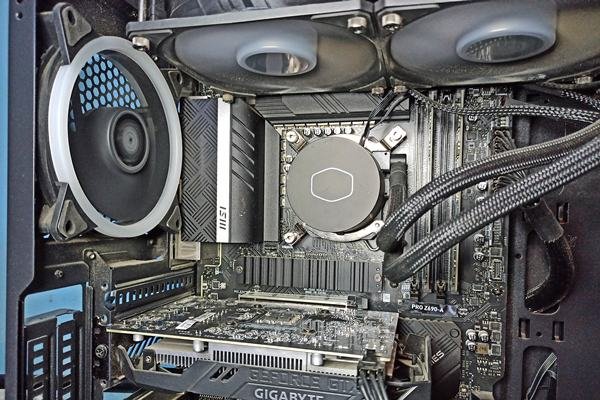
Basically, we can say that TDP is a number for engineers and not for the consumers. This number has to be released to the public, and this is the reason it reached the masses, but for most, it hardly matters for anything except when choosing a CPU cooler.
The Role of TDP
The real role of TDP is determining the cooler sizing and maybe making decisions between stock, air, AIO, or custom coolers. The cooler is also rated for TDP, and it is better to have one with the matching TDP of the CPU. If a cooler is designed for 150 W TDP, it means it can dissipate 150 watts of sustained heat.
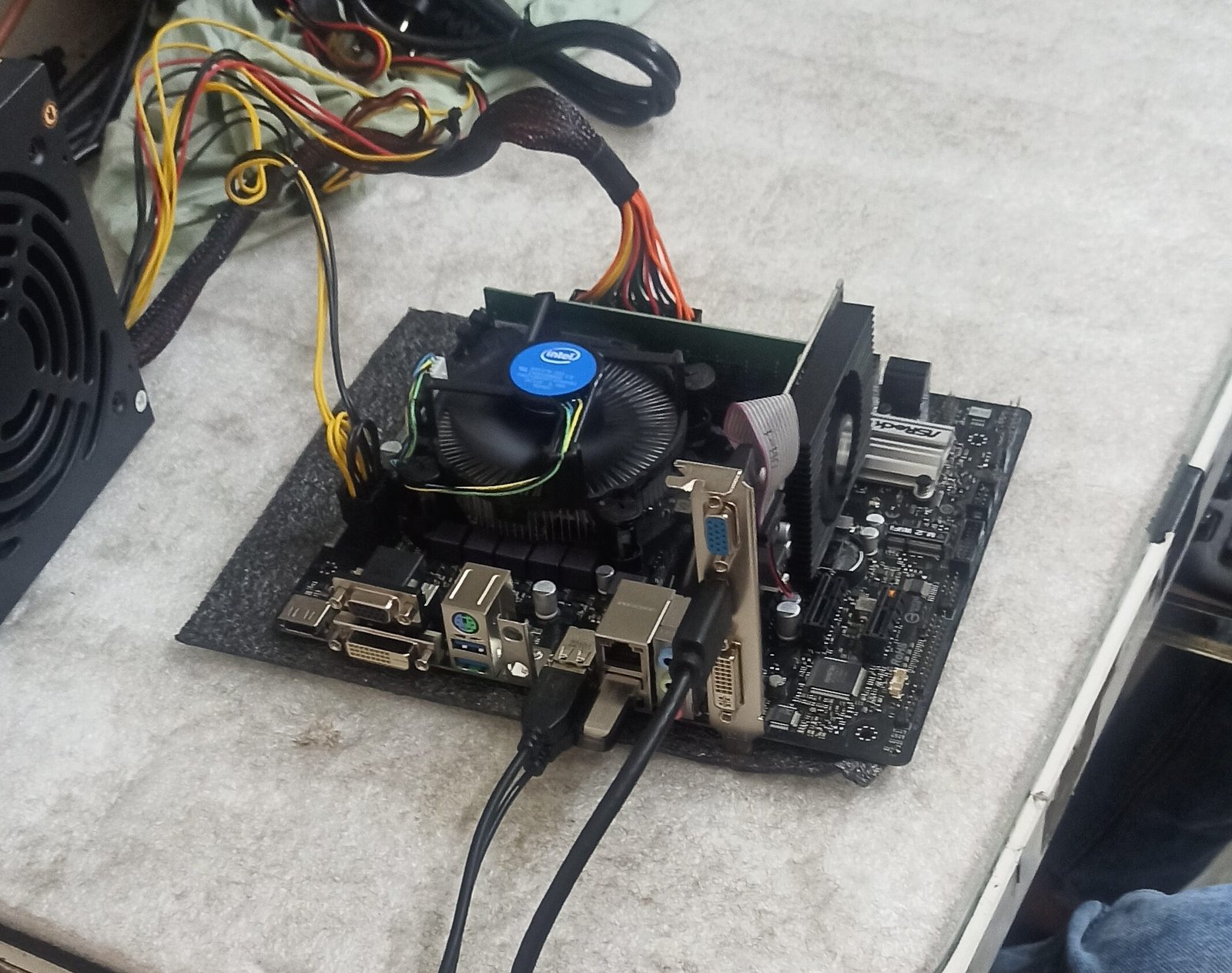
TDP is tied to the sustained current that the CPU is expected to dissipate. So, the TDP helps motherboard manufacturers with VRM design.
Laptops and pre-built computers use TDP to size the vents, fans, chassis, etc.
That is almost it. TDP was never meant to tell you how much power your CPU will consume while gaming. It is a more technical thing mainly related to the heat dissipation.
What TDP is not?
Most people confuse TDP with the maximum power draw of a CPU. It isn’t that. But there is a caveat to it. According to Intel, under a steady workload at published frequency, the maximum power is almost equal to the TDP. But, during turbo load or situations like Intel AVX, the power draw can exceed the maximum TDP for short time frames. Once the processor hits its thermal limits or power delivery limits, the power consumption will come back to near around the TDP.
TDP depends on the workload. Especially in gaming, where all the cores are rarely loaded, CPUs hardly touch the maximum TDP.
TDP also depends on the CPU manufacturer. So, two CPUs from Intel and AMD, each with 65W TDP, are not directly comparable in terms of power draw.
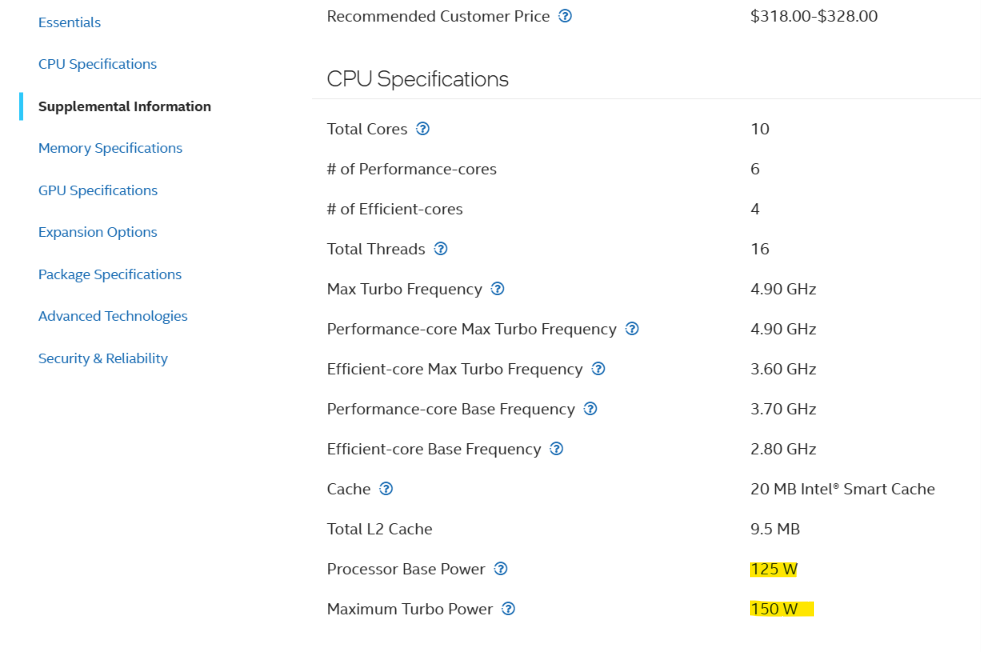
This can be really confusing for some users. In fact, Intel quietly renamed TDP to Processor Base Power.
How is TDP calculated?
For a normal consumer, TDP calculation is not worth the time. It is the job of the manufacturers, but if you are interested, let’s understand.
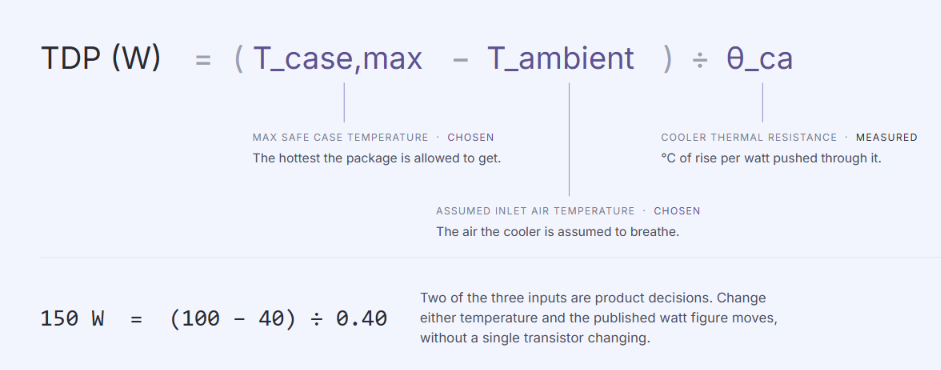
The formula is simple.
TDP (W) = (T_case,max − T_ambient) ÷ θ_ca
Where:
- T_case,max = the maximum safe case temperature for the die
- T_ambient = the temperature the air is assumed to enter the cooler at
- θ_ca = the cooler’s thermal resistance, in °C per watt
To put it in a sentence, bigger cooler, lower resistance, and more watts it can carry at the same temperature difference.
To make it much simpler, TDP tells how much heat the cooling solution needs to remove, based on its maximum allowed temperature, the ambient temperature, and the efficiency of its cooler.
But the issue is that both T_case,max and T_ambient are picked by the manufacturer. This whitepaper from Intel says that TDP is a target value, not a measured value. So, the formula is real physics, but these inputs are marketing decisions. The math isn’t fake here, but the assumptions feeding it are picked by the manufacturer.
TDP is never about the power consumption
TDP made full sense back when processors ran near one flat frequency all the time. Now, modern CPUs can go way above their base clocks for pretty good periods and even throttle pretty well. They can shift power dramatically within milliseconds, and TDP tells you nothing about that. It just gives you a static number. So, it is supposed to be a spec that helps you pick the right cooler and never the power consumption.
TDP as a spec to pick the CPU cooler
Most people shop for CPU coolers by matching cooler TDP to CPU TDP one-for-one. But, as we discussed above, CPU can consume much more power than TDP, mainly when it goes to the boost clock.
For example, the Intel Core i5-14600K has a 125W TDP, but it can easily pull up to 181 watts under heavy and sustained load. So, a cooler picked to exactly match that 125W TDP is undersized. Although, it isn’t a very big problem because these power consumption spikes are short and shouldn’t be a big concern.
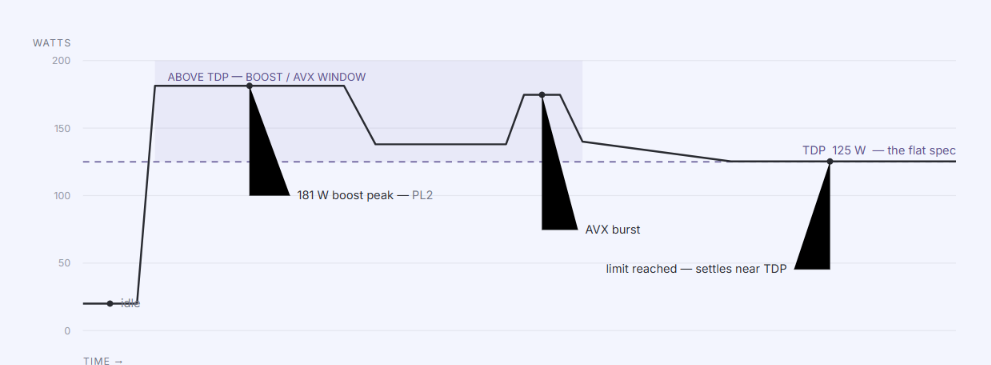
But, if you are looking for a much more efficient cooler setup, get a little into Intel’s PL2 (Boost Power limit) or Maximum Turbo Power. In case of AMD, get to know the PPT (Power Package Tracking) numbers. These are the real ceiling, while TDP is just the floor.
For the PC builds where I can spend a little extra on a cooler, I generally go for 20 to 50% above the box TDP number. Or I can match the PL2/PPT directly if I can find those numbers. In case of overclocking, gaming, rendering, or CPU-heavy tasks, I would recommend going a little above the TDP.
Here is a rough guide based on the CPU class.
| CPU class | Box TDP | Real boost power | Cooler to look for |
|---|---|---|---|
| Budget/mid (i5, Ryzen 5) | 65-88W | ~140-180W | Decent single-tower air |
| High-end (i7, Ryzen 7) | 105-125W | ~180-230W | Dual-tower air or 240 mm AIO |
| Flagship (i9, Ryzen 9) | 125-170W | ~250-330W | 360mm AIO or premium dual-tower |
Conclusion
Manufacturers aren’t trying to hide anything from you with the TDP. Intel publishes Maximum Turbo Power, which corresponds to PL2. AMD is less direct in this manner. But TDP is what highlighted the most because of its simplicity. This is why serious cooler reviews will always test at real sustained wattage, not the CPU’s advertised TDP. So, I would recommend going a little deeper into your research and finding PL2 and PPT figures from review sites or spec sheets.