

Between the years around 1970 and 2004, chip manufacturers utilized Dennard scaling pretty heavily. They were able to successfully shrink the transistor size and get better performance at almost similar power consumption.
However, after the 90 nm mark, the classic strategy broke because of the leakage current and high static power consumption. Due to the same reason, Intel canceled two chips right away, i.e., Tejas and Jayhawk, in 2004 mainly because they were not able to keep them cool at all. This was the time the clock speed race died. So actually, this wasn’t a gradual slowdown but a specific cancellation.
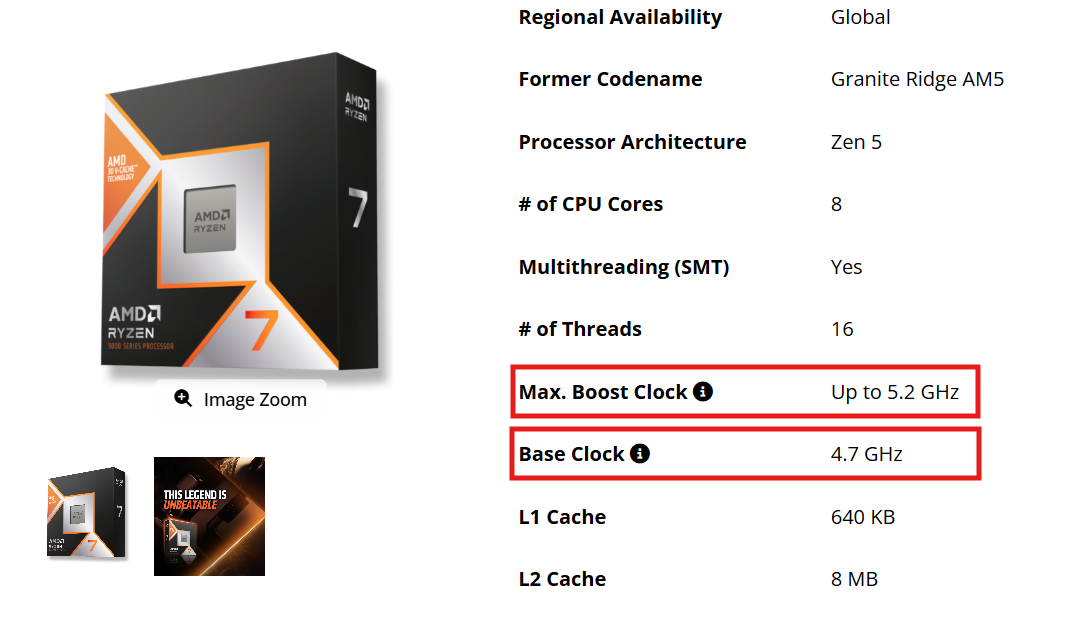
What clock speed actually is?
Think of clock speed like a metronome. How fast the tick happens sets the reference for the CPU to perform its operations. Every instruction you run takes some number of these ticks. So, more ticks per second equals more work done per second, assuming everything else stays equal.
At the very basic level, there is a very fast turning on and off of nanoscopic transistors going on. Transistors are what make up the logic gates that do the work our CPUs perform.
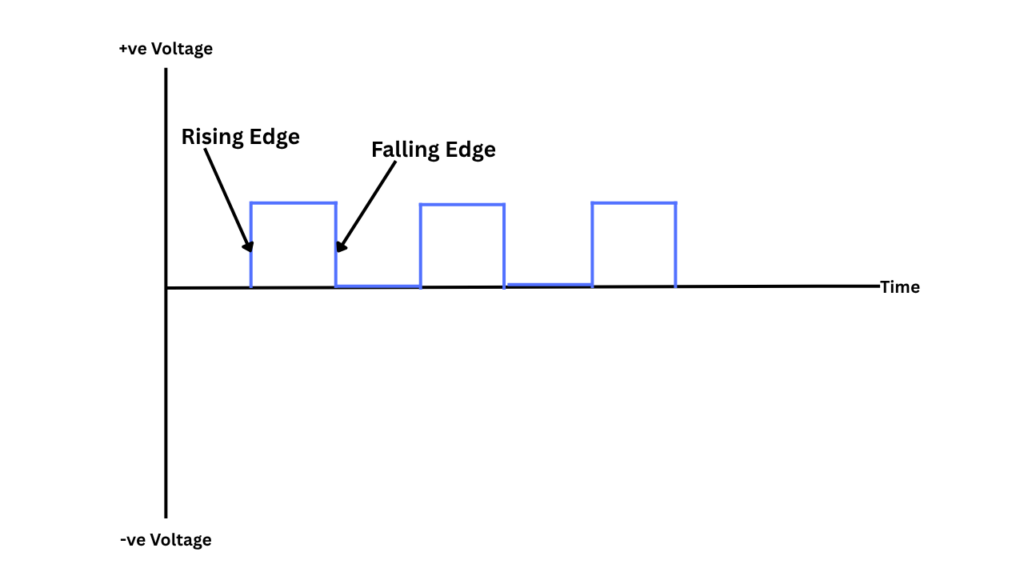
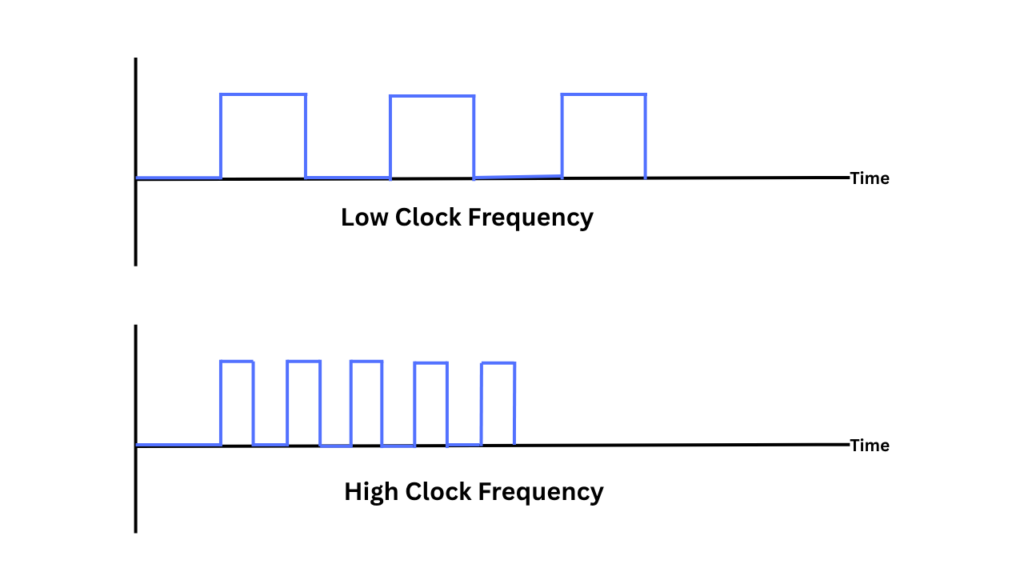
So, as we increase the clock speed, this speed of transistor switching increases a lot. Because this switching mechanism requires a burst of current, this current turns into heat. This is just some basic electronics. You just remember that every switch moves a small packet of charge, and the faster you switch, the more charge you move per second, which then shows up as heat.
Now take the modern CPUs into sight. A modern CPU has billions of transistors, and at 5 GHz each one can flip 5 billion times a second. So, imagine the level of heat. Along with this, if you want to flip switches faster and more reliably, you need more voltage. Basically, the signals need enough voltage to settle correctly before the next tick arrives. In other words, if you want to increase the clock speed, you need to increase the voltage too.
Now comes our formula.
Power ≈ Capacitance × Voltage² × Frequency”
This formula, although it estimates the power consumption roughly, is very important. The simple reason is that if we spend more power, we will get more heat. And in the non-mechanical devices like CPUs, where most of the power has to be dissipated in terms of heat, we have to be very cautious with where we take to voltage and clock speed.
More speed = more heat.
According to principles of dynamic power dissipation and the formula above, power scales roughly with the cube of clock speed. This means you need more voltage to go faster, and power goes up with voltage squared, times frequency. Now, try pushing the clock speed just 10% higher, and you don’t get 10% more heat but around 33% more of it.
However, the limit isn’t that 5 GHz can’t be cooled. Modern chips sustain that and more on a good air cooler or AIO. The limit is how much further you can push before the voltage required makes power and heat rise faster than any consumer cooler can keep up with. That’s why the top chips cap out around 5 to 6 GHz instead of climbing every year.
There are various downsides of the consistent heat, mainly including the degradation of the silicon and leakage current.
The right switch by the industry
After realizing the truth the hard way, both AMD and Intel stopped chasing clock speed. They went sideways with more cores instead of one faster core. This started with Intel’s Pentium D in 2005, which was the first mainstream multi-core x86 chip. AMD’s Athlon 64 X2 launched almost the same time in 2005.
They started making smart chips with bigger caches, better branch prediction, and more IPC (Instructions Per Cycle). CPUs started coming up with specialized cores like GPUs and NPUs for parallel work instead of always asking one CPU to do everything. The overall microarchitecture in both the brands is improving after that, and we are seeing improvements in IPC mainly rather than the clock speed.
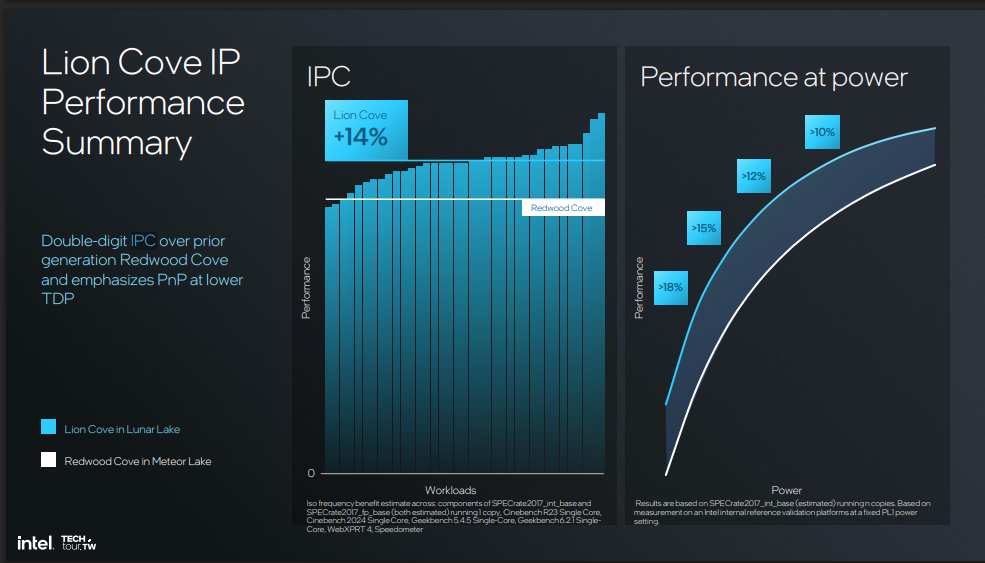
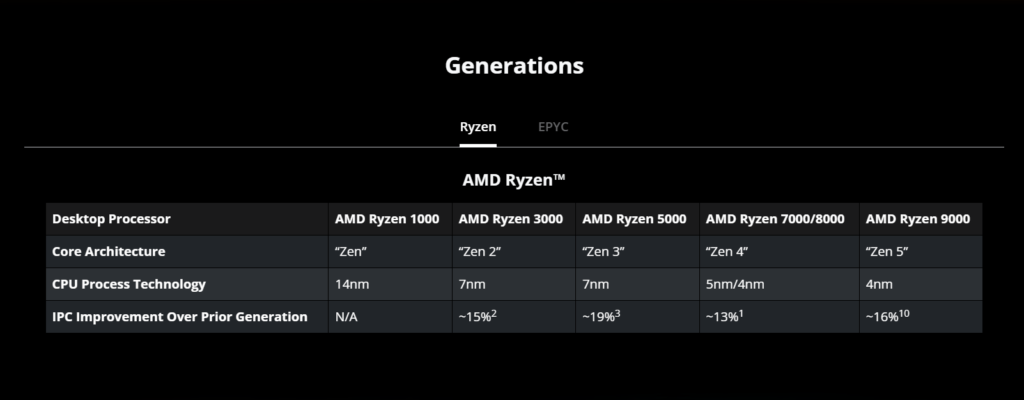
Clock speeds are still stuck at the same place. However, enthusiasts are overclocking the CPUs with liquid nitrogen tops till 8 and 9 GHz, but that is neither sustainable nor easily applicable to most people. Stock chips top at around 5 to 6 GHz. A decade ago, this was around 4.2 GHz.
Modern chips are equipped with billions of transistors, and if they were to work at the same time, the chip would melt. So most of the chip has to sit idle at any given moment. That idle, unpowered part is called Dark Silicon. So, there are separate P-cores, E-cores, GPU blocks, and NPUs which spreads the work instead of asking one core to do everything.
Manufacturers have moved their focus from clock speed to efficiency curves and boost algorithms.
Look at where the ceiling actually sat, generation after generation:
| CPU | Year | Peak clock speed |
|---|---|---|
| Pentium 4 (Prescott) | 2004 | 3.8 GHz |
| Core i7-2700K (Sandy Bridge) | 2011 | 3.9 GHz |
| Core i7-6700K (Skylake) | 2015 | 4.2 GHz |
| Ryzen 9 9950X3D (Zen 5) | 2025 | 5.7 GHz |
More cores instead of one faster core
This is worth mentioning in this article because the simplest fix is that if you can’t make one CPU work faster, add more small CPUs (cores) in one chip. With this approach, we now get 8, 16, and 24+ cores in mainstream CPUs. Adding more cores doesn’t help single-task speed, but they do allow you to do multiple work at once.
Also, there are multiple applications and use cases in computers that utilize multi-core performance rather than the older single-core-focused applications. These include video editing, rendering, 3D rendering, compression (certain types), or any other tasks that can run in branches.
Surely, there are some tasks that still rely on single-core performance, like gaming, browsing, office applications, OS startup, etc. But, when it comes to multi-core performance, we still have a lot more room for scaling than the single-core performance.
The industry’s focus on IPC
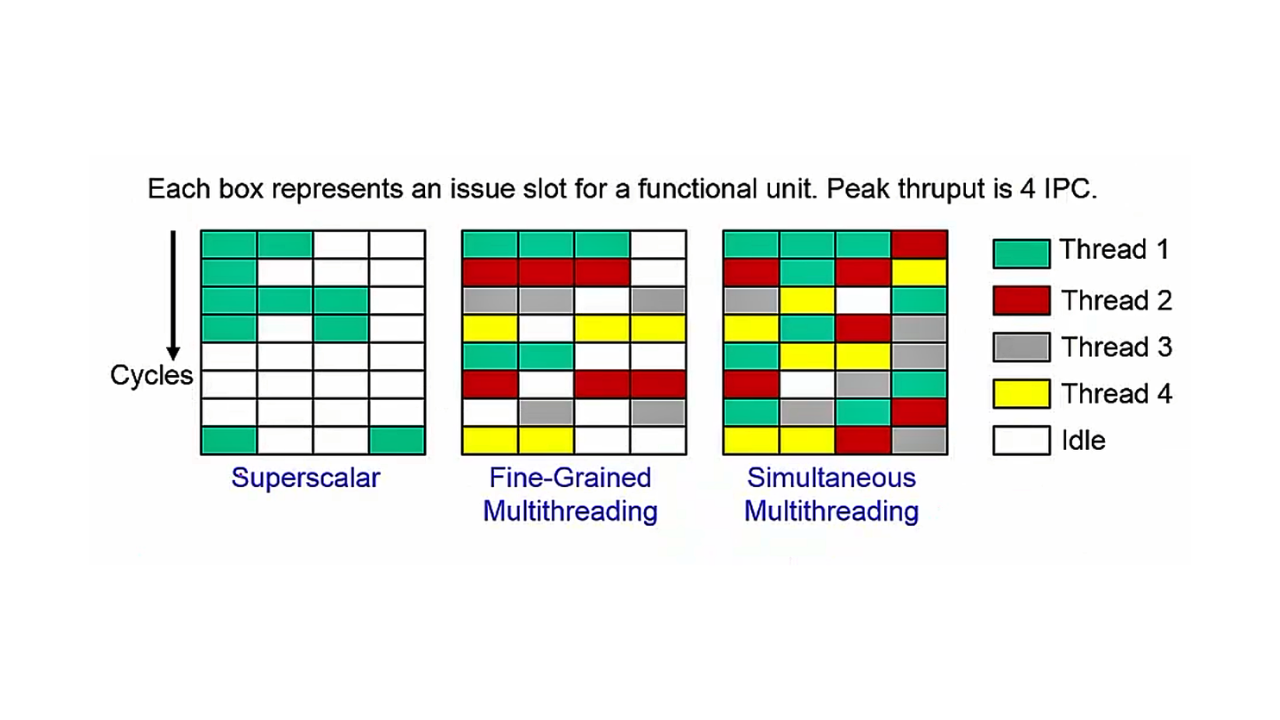
Most people think that in one clock cycle, we can insert one instruction, but that is not true at all. With the modern superscalar CPUs, multiple instructions can be issued and executed in the same clock cycle, as long as the instructions are independent and the CPU has the necessary execution resources available. This is where IPC (instructions per cycle) comes into the scene.
The manufacturers are now trying to increase the IPC using various techniques. Most of the real gains in terms of performance since 2005 are achieved mainly by utilizing these strategies:
- Bigger caches so the CPU isn’t waiting on slow memory
- Better branch prediction
- Wider execution to process more instructions in parallel per cycle
- AMD’s Zen 3 → Zen 5 jump and Apple’s M-series chips got most of their speed this way, not from clock speed.
Splitting cores into different jobs
Intel’s P-Core/E-Core technology and ARM’s big.Little methodology is the main example here. AMD does it too, pairing full Zen cores with denser Zen 4c/5c cores in its mobile chips. So, they are designing different cores for different purposes. For example, some cores are built for raw speed (P-cores), some built for efficiency (E-cores) that handle background junk without burning power.
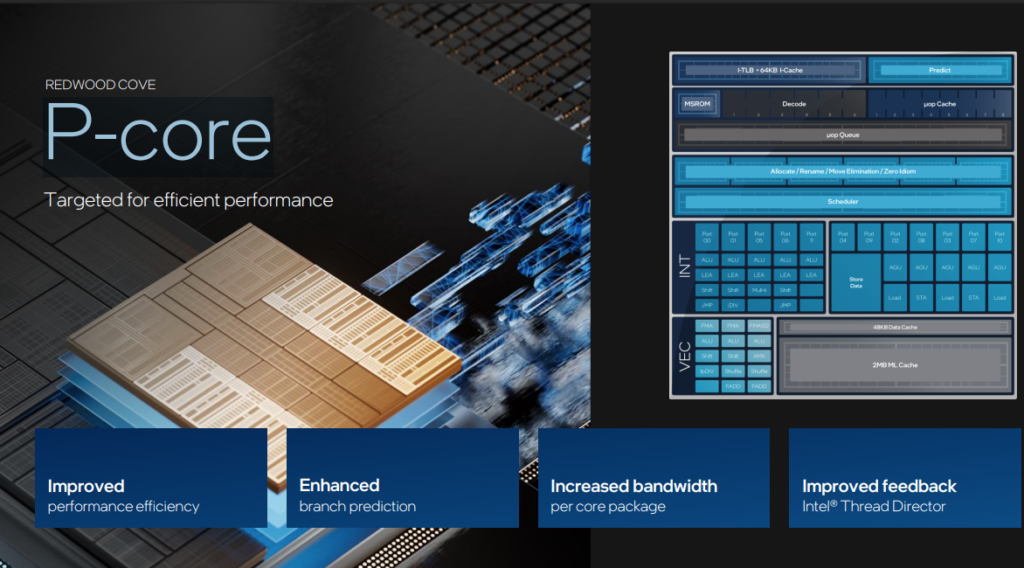
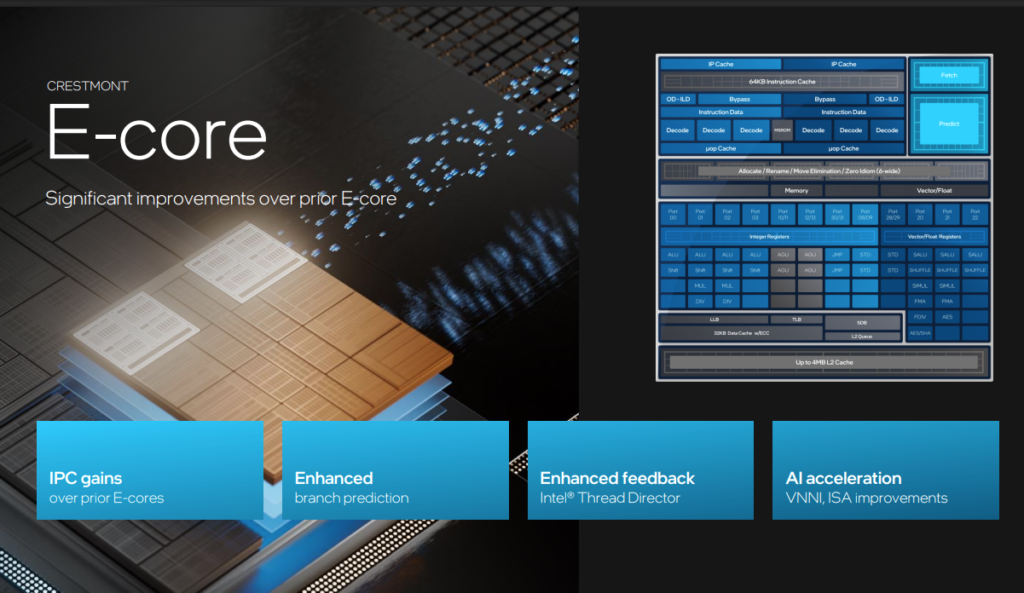
To utilize the cores in a much better way, AMD’s SMT and Intel’s HyperThreading have contributed a lot.
Conclusion
Overall, the realization that focusing on CPU’s clock speed isn’t worth the time and efforts is a wonderful thing in itself. The goal is now to make the CPUs get more work done in parallel.
In fact, in the gaming scenarios, where the single-core clock speed is highly recommended to the buyers, the trends are changing. Modern engines (Unreal Engine 5 especially) are much better at spreading work across threads than old DirectX 11 games.
The simulation-heavy and open-world games genuinely benefit from more cores. So, we are slowly trying to improve the multi-core performance and optimizing our apps so that we can achieve faster performance in the best way possible instead of forcing a higher clock speed.