
How to Overclock a Non-K Intel CPU? [Detailed Guide]
For overclocking, Intel is quite clear about non-K processors and says that traditional CPU overclocking is supported only on unlocked
The CPU is the brain of your computer, influencing everything from gaming and productivity to power efficiency. This category brings together comprehensive articles on processor technology, real-world performance, compatibility, troubleshooting, and buying advice to help you understand and choose the right CPU with confidence.
For overclocking, Intel is quite clear about non-K processors and says that traditional CPU overclocking is supported only on unlocked
Whether CPU overclocking is safe or not depends on how you are overclocking your CPU. Not all CPUs are the
In simple words, undervolting means running your CPU at less voltage than it asks for while keeping the same clock
Overclocking Safety and Warranty Guide In our beginner’s guide to CPU overclocking article, I promised a detailed AMD overclocking guide,
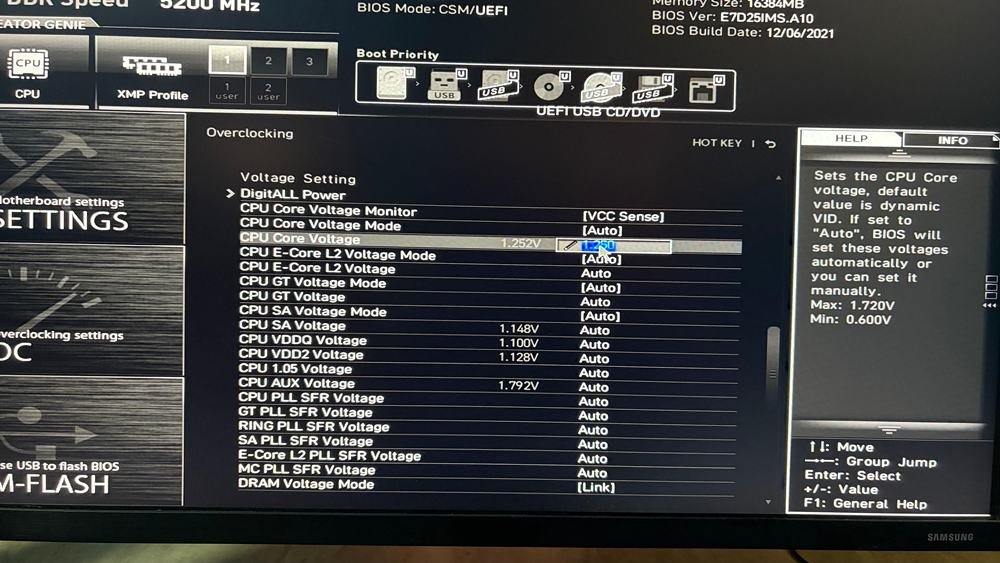
Overclocking your hardware involves adjusting system frequencies and voltages beyond the manufacturer’s stock specifications. This process carries inherent risks to
Read CPU Overclocking Safety and Warranty Guidelines first. To be precise, CPU overclocking means making your CPU operate at a
Modern CPUs are really complex and powerful machines. Being so small in size, they can consume hundreds of watts of
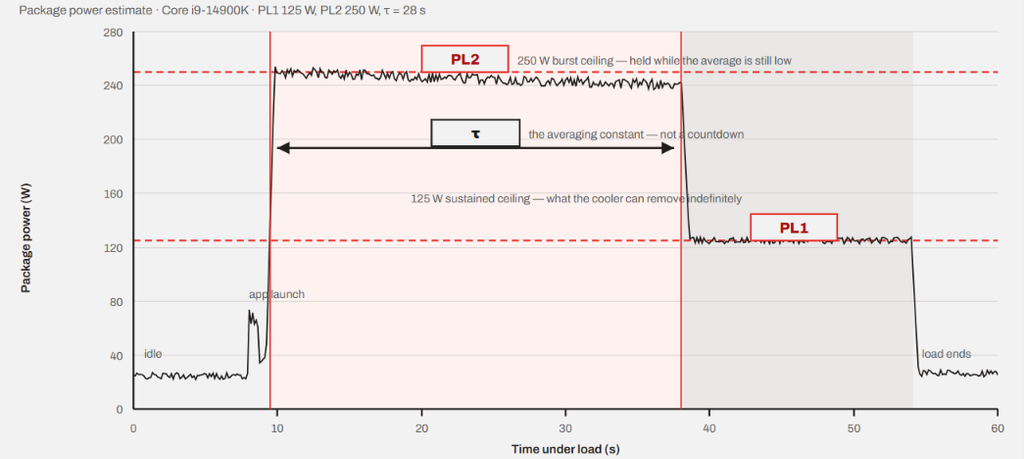
In this article, we understand Intel’s PL1 and PL2 power limits in different layers. But, at a very basic level,
TDP, or Thermal Design Power, is the amount of heat in watts that a CPU’s cooling solution is designed to
Modern CPUs are very complex. There are billions of transistors inside a single processor chip, and it takes very complex